
ANGIE originated as a European research project at ETH Zurich’s Multi-Scale Robotics Lab, exploring how untethered magnetic microcapsules could deliver therapeutics to difficult-to-reach locations inside the body. The work brought together magnetic navigation, microcapsule engineering, imaging and targeted drug delivery.
Swiss Vascular was founded by members of this research team. After successfully translating the simulation technology developed around ANGIE into commercial products, we are now working to bring the underlying therapeutic technology beyond the academic environment.
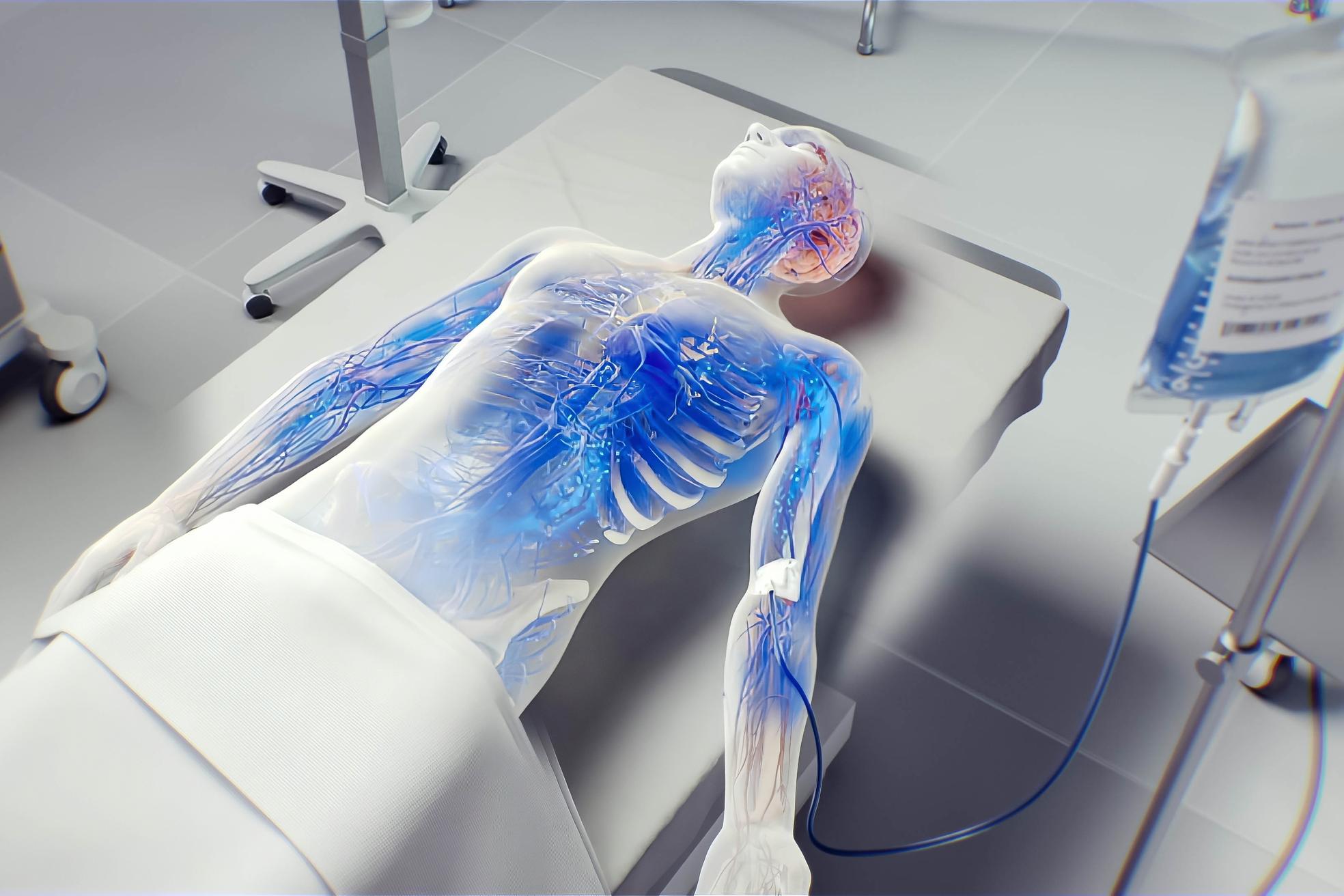
The Problem ANGIE is solving
Many serious diseases affect a very specific location in the body, yet the treatments used today often cannot reach that location precisely. Drugs are commonly administered systemically and rely on the bloodstream to carry them to the target. This means that large parts of the body are exposed to a treatment or therapeutic agent that may only be needed in one small region, which can limit the dose that can be given and increase unwanted side effects. In the brain, this challenge is even greater because the blood-brain barrier prevents many therapeutic agents from reaching the tissue where they are needed.
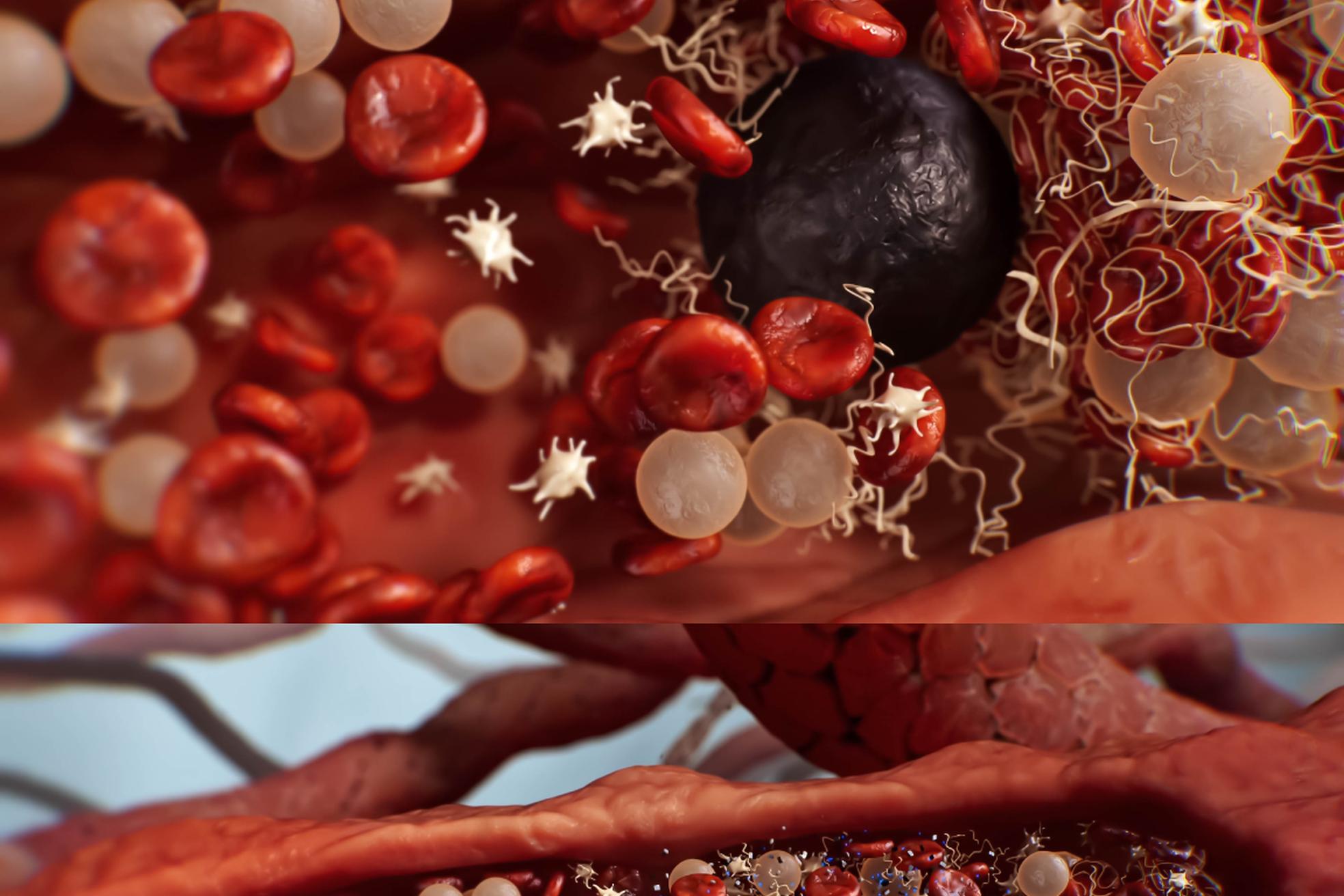
The Idea
ANGIE takes a different approach to drug delivery. Instead of relying on a therapeutic agent to circulate through the body until a fraction of it reaches the target, ANGIE aims to physically guide the therapeutic agent to the location where it is needed. The drug is carried inside a small, magnetically responsive and bioresorbable capsule that can be introduced into the body and steered remotely using controlled magnetic fields.

Why It Matters
If a therapeutic agent can be delivered directly to a defined target, a much greater proportion of the administered drug can act where it is actually needed. ANGIE therefore aims to increase local drug concentration while reducing unnecessary exposure elsewhere in the body. This could help address one of the fundamental limitations of systemic therapy, where the maximum usable dose is often constrained by side effects in healthy tissue rather than by the amount needed at the target.
The approach is particularly relevant for anatomical regions that are difficult to reach with conventional methods, such as deep regions of the brain, the cerebrospinal space or distal vasculature. By combining minimally invasive access with active navigation and image-confirmed positioning, ANGIE could enable therapies to reach locations that are currently difficult to treat precisely.
The long-term opportunity goes beyond a single drug or disease. ANGIE is being developed as a delivery platform, with the potential to pair the same navigation principle with different therapeutic agents and indications.