product
applications
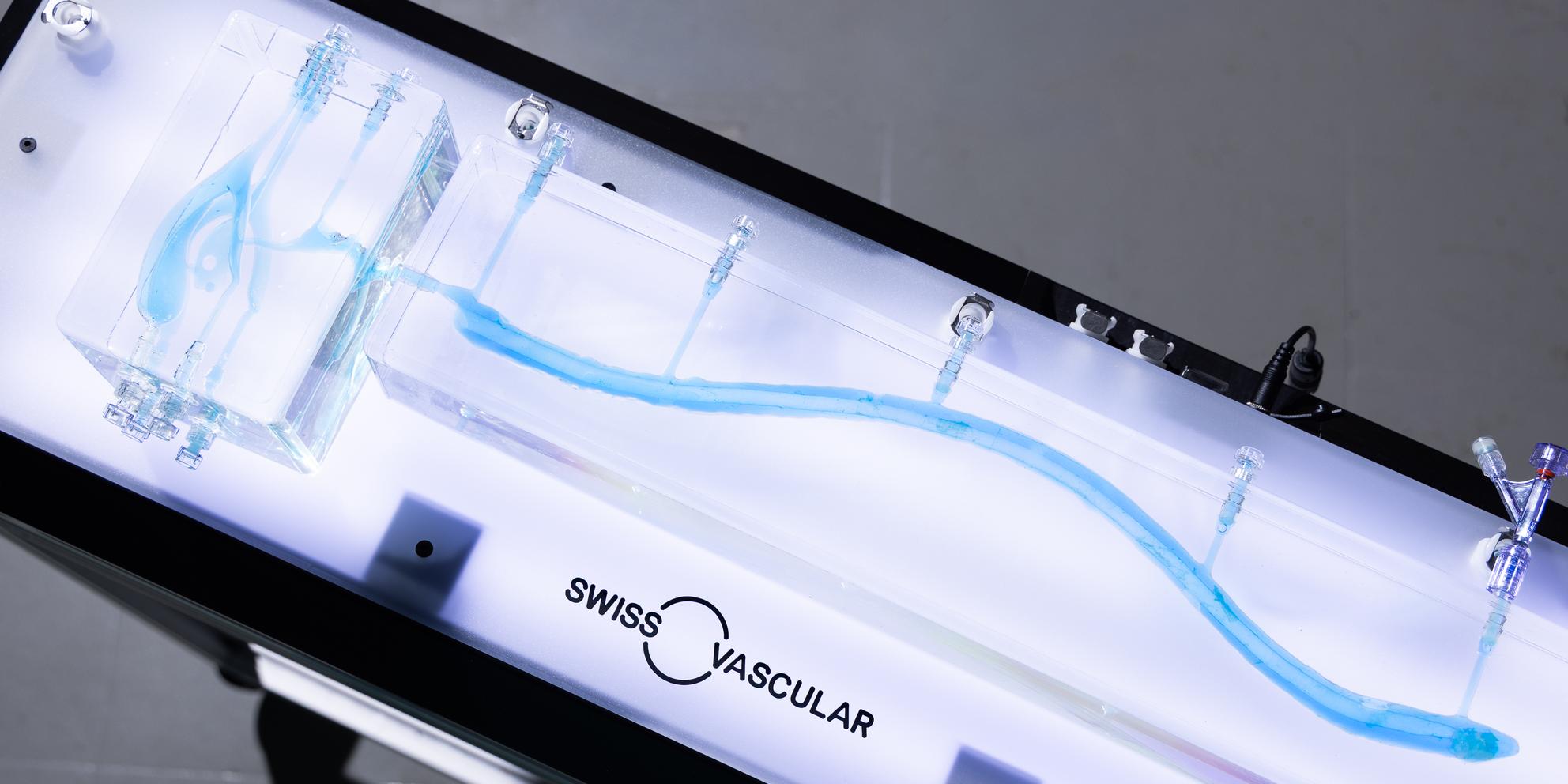
At Swiss Vascular, we excel in transforming medical challenges into innovative solutions with our advanced 3D models and simulators. By combining expert anatomical replication and customizable designs, we create versatile tools for medical training, device testing, and research development. From patient-specific vascular models to cutting-edge simulators, our expertise helps professionals and researchers push the limits of medical innovation, improving outcomes and reducing the need for animal trials.
device testing
accelerate innovation with pre-clinical testing
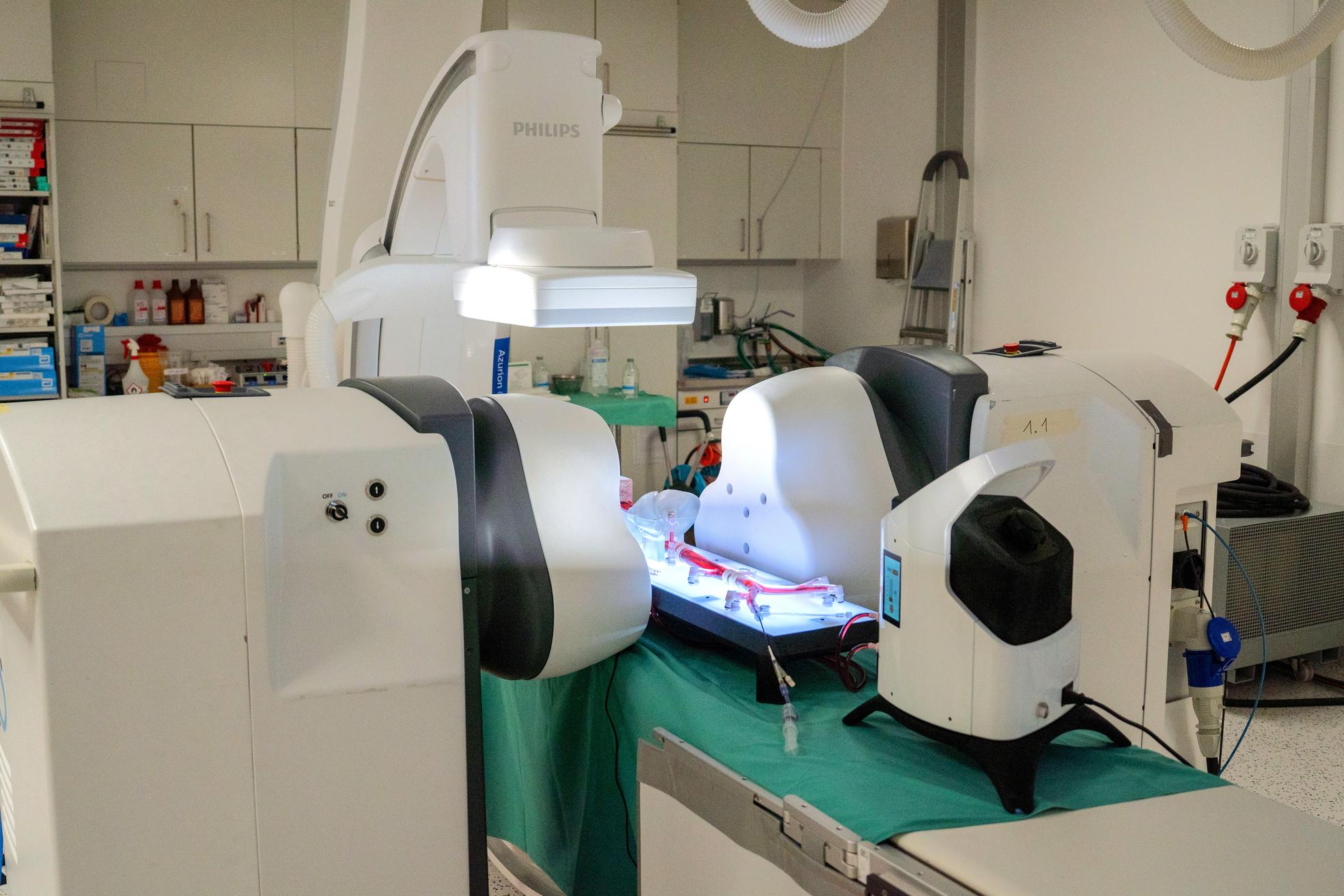
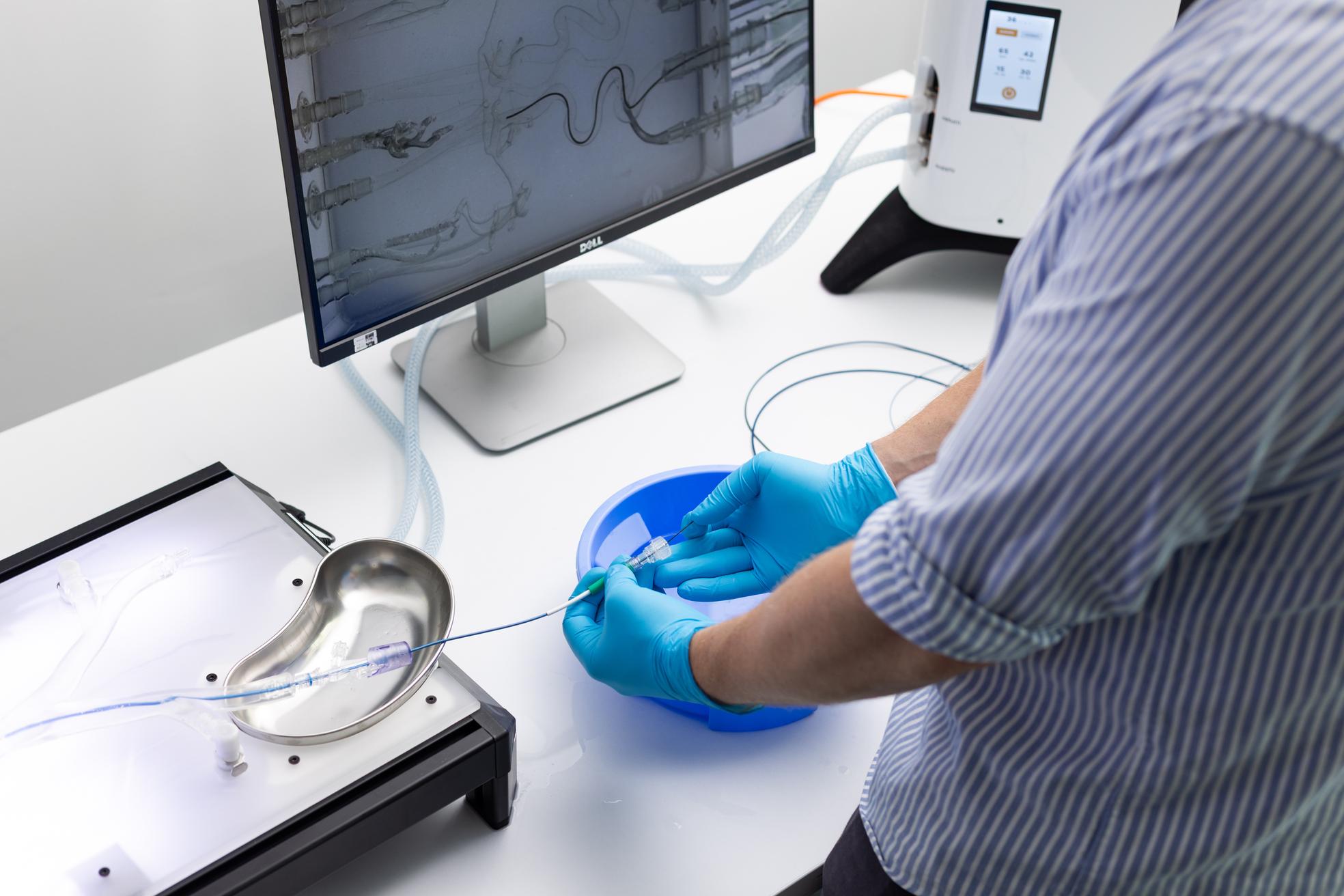
Using vascular and ventricle models provides a controlled environment to develop and refine medical devices. This ensures faster, more efficient testing by allowing for visual feedback and repeatable results, greatly benefiting MedTech R&D. These models reduce the need for live animals, cutting down administrative and spatial requirements while offering a more ethical testing process.
pre-surgical planning
refining surgical techniques before the OR
Using patient-specific models, surgeons can visualize unique anatomical structures before surgery. This tailored approach to pre-surgical planning allows for the refinement of techniques and a deeper understanding of the challenges posed by each individual case, leading to better outcomes.

medical education
comprehensive training with realistic replicas
From beginners to seasoned specialists, medical professionals can benefit from practicing on lifelike anatomical models and simulators. Perfect for honing catheterization and embolization techniques, these tools help build confidence and expertise in a safe, controlled environment, paving the way for improved patient care.
research & development
driving medical research forward
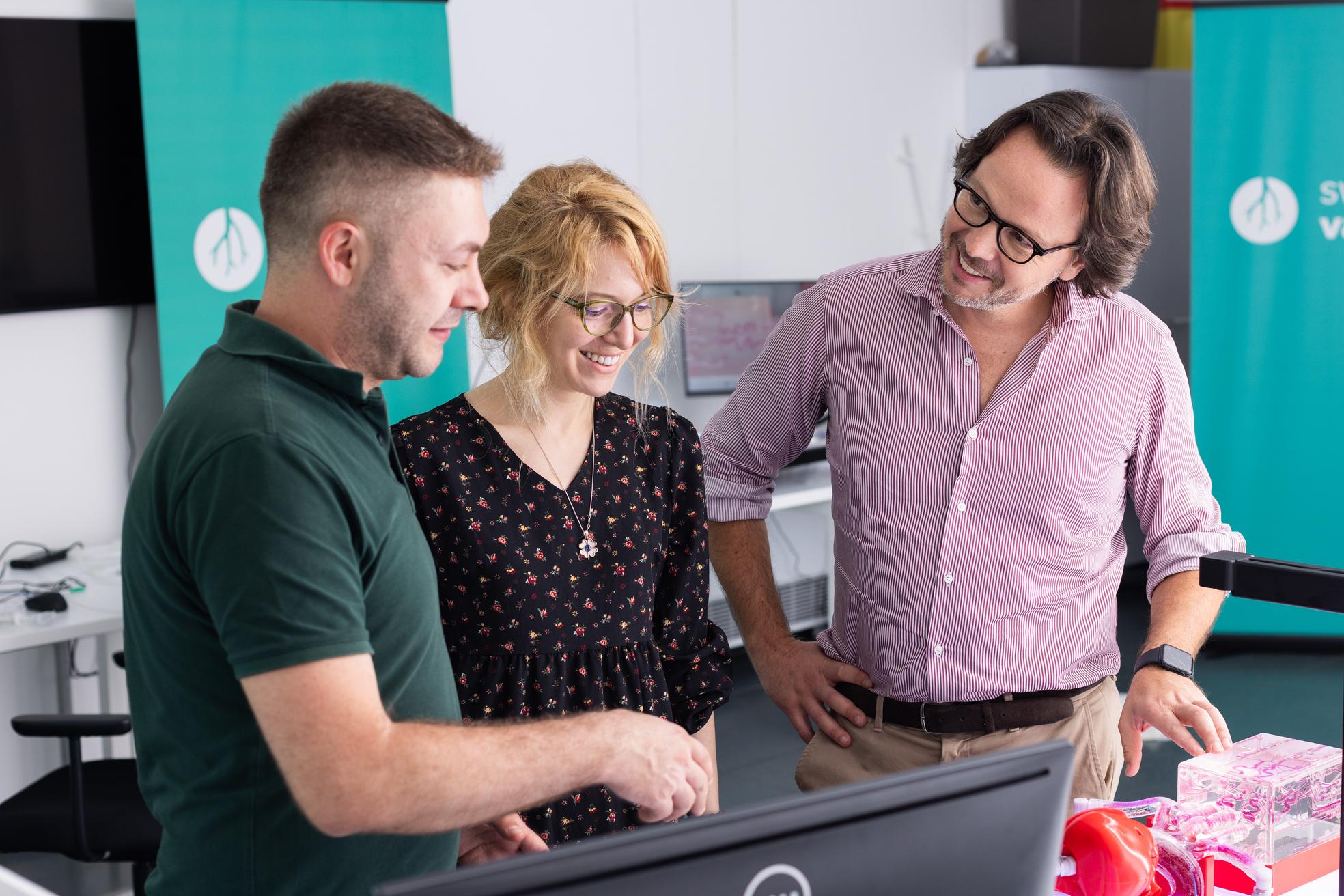
Empower research teams with high-fidelity vascular and ventricular models as well as advanced simulators that offer the environment needed for experimental success. Perfect for universities and R&D labs, these tools ensure accurate replication for testing new devices and techniques, reducing reliance on live animals while enhancing research productivity.